
THE VAULT JOURNAL
How to Make a Simplified Chinese Pokémon Missing-Card List
Build a useful Simplified Chinese Pokémon missing-card list: verify the release, card number and finish, track incoming cards, and request the right single.
A list you can actually shop from
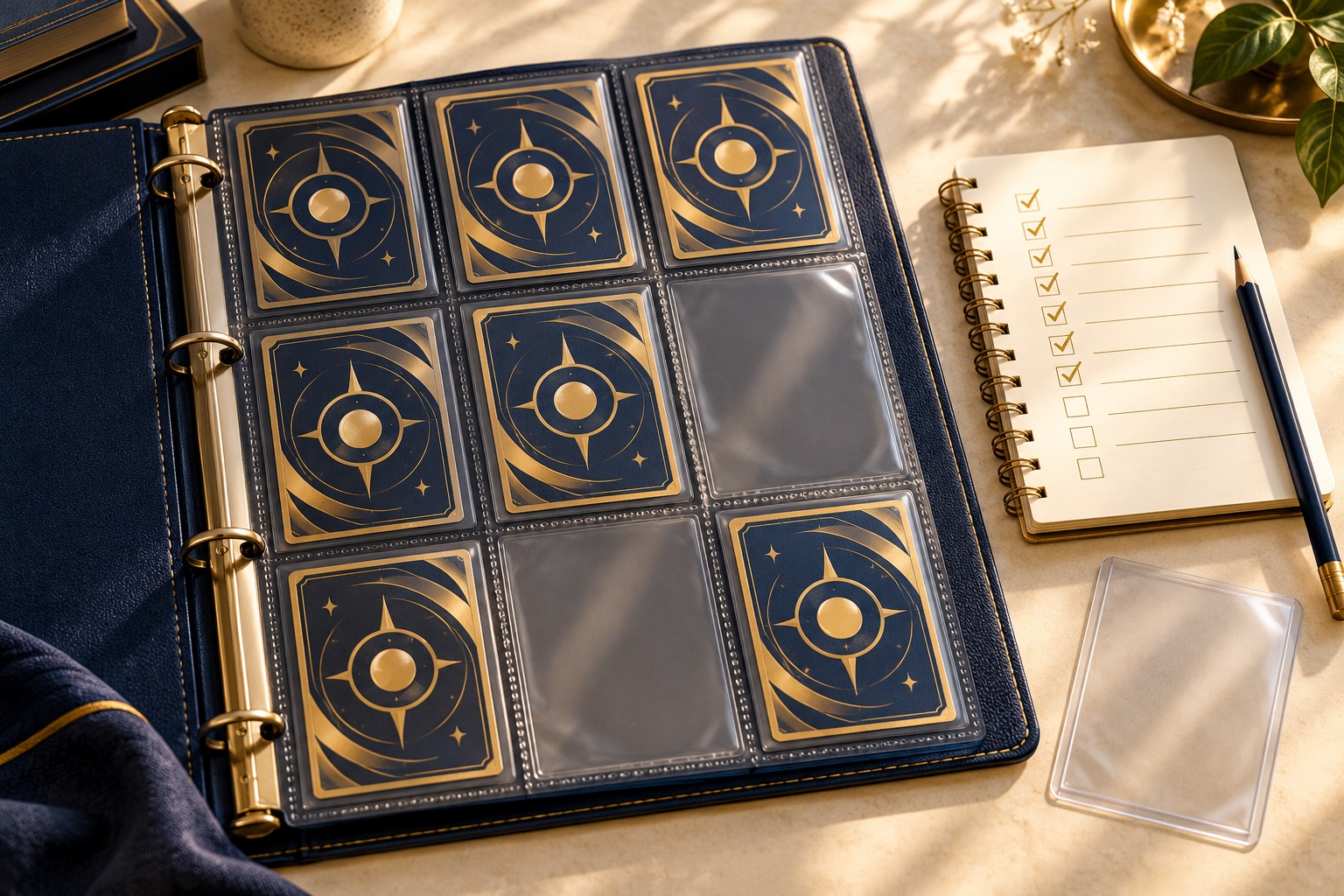
An empty binder pocket tells you that something is missing. It does not tell a seller which card belongs there. Before buying Simplified Chinese Pokémon singles, turn those gaps into a list that identifies the language, release, card number and version you actually want.
The useful result is a small shopping list you can check against photographs. It should reflect the cards you have decided to collect.
Decide what “complete” means for your binder
Write one sentence above your checklist. For example: “One Simplified Chinese copy of each numbered card in this release; additional finishes and promotional cards are separate goals.” This is an example of a collecting boundary, not a definition that every collector must follow.
Other sensible goals include one of each artwork for a favorite Pokémon, or every confirmed finish in one specific release. They need different lists. In a collector discussion about master-set boundaries, some people pursue numerous print variations while others stop at one artwork. Those individual preferences are a reason to state your own boundary, not evidence that one approach is more popular. [5]
If a card falls outside your chosen scope, put it on an optional wishlist. It does not have to become another gap in an otherwise finished binder.
Start with the right language and release
Use Simplified Chinese as a separate language field. Do not leave it as “Chinese” when comparing a listing or a checklist. A real discussion about finding Chinese set lists includes both uncertainty about Simplified versus Traditional Chinese and a request to track cards already owned. Those are two different problems: identifying the right release, then recording your progress. [3]
Pokémon's official introduction to its Chinese card membership mini program describes card search by product series and product number, with card images and details. If you already have access, use the relevant release as your reference. We verified the public instructions for this guide; we did not sign in to test the current mini program. [1]
A public checklist can help you organize the work, but check its language and release coverage before copying it. If you cannot verify an entry against an appropriate reference or clear card image, mark it unverified. Do not turn a guessed printing into a card you now believe you must buy. An Arcanine collector's spreadsheet discussion shows why: other collectors identified language and version errors, and the author acknowledged guessing where information was hard to find. [4]
Give each intended version its own row
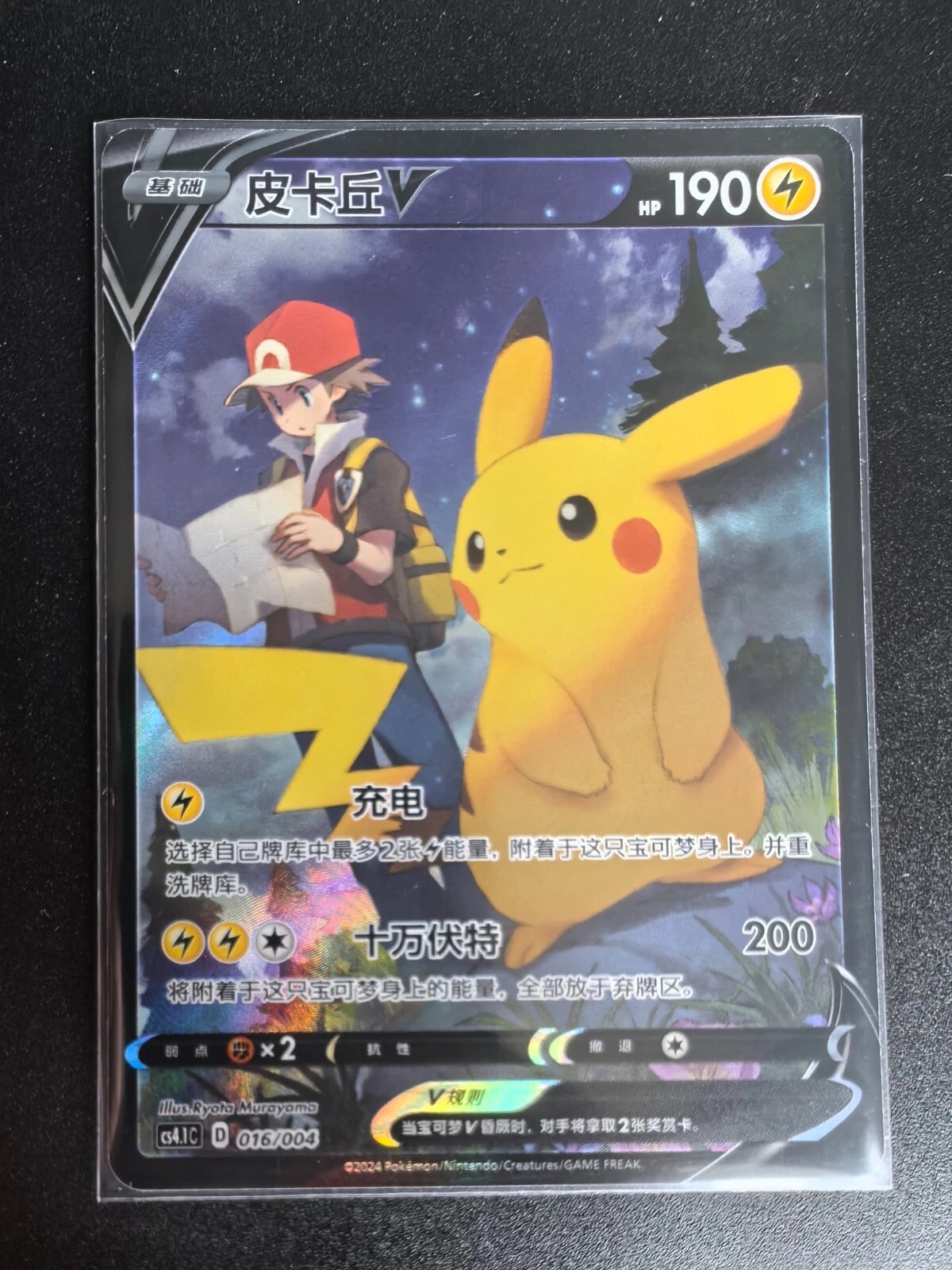
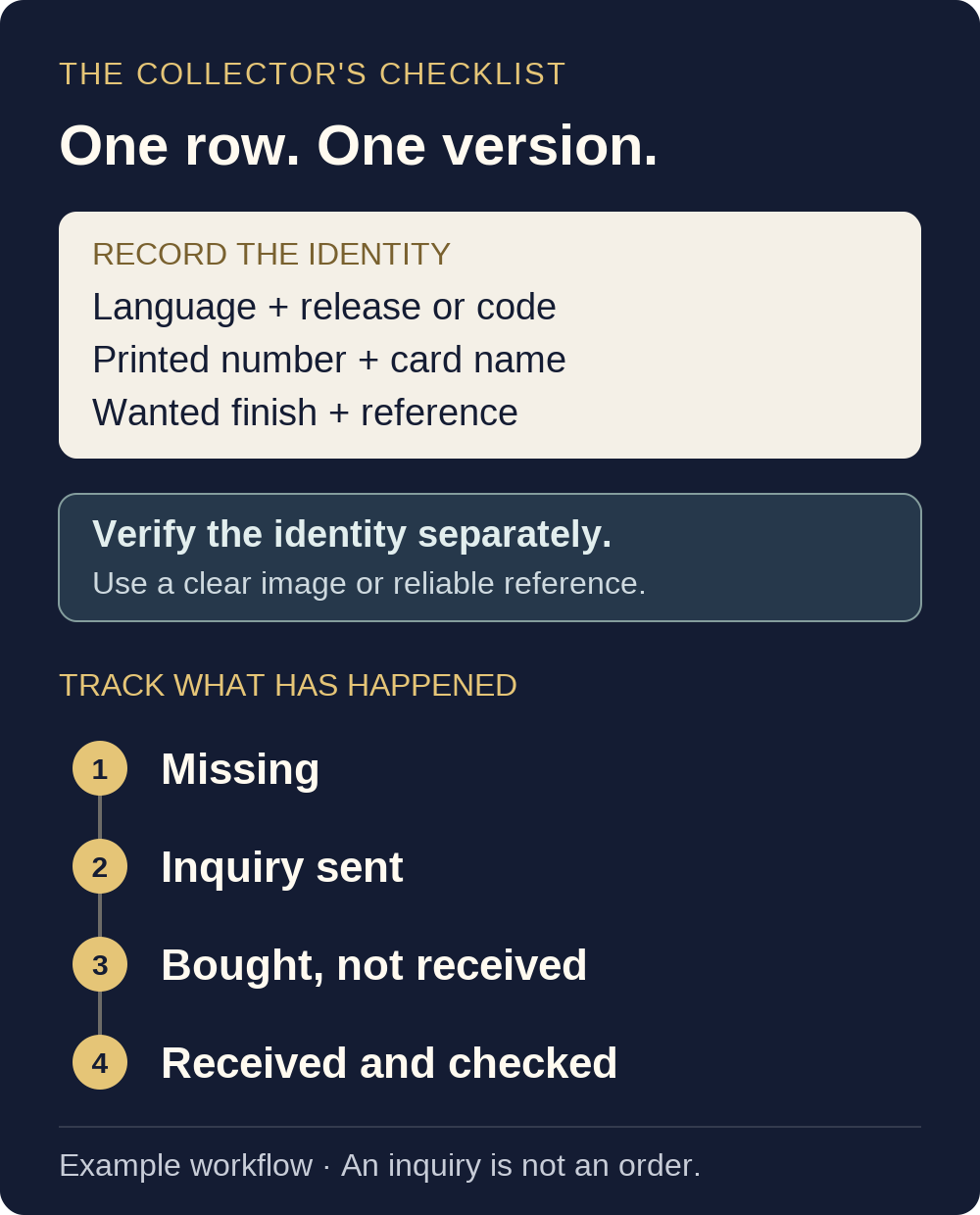
For each card within your scope, record:
- Language, exact release name or code, and printed card number.
- Pokémon or card name, plus the finish or other version you intend to collect.
- Reference link or reference image location, and the date you checked it.
- Binder location and status: missing, inquiry sent, bought but not received, or received and checked.
Make the finish part of the identity
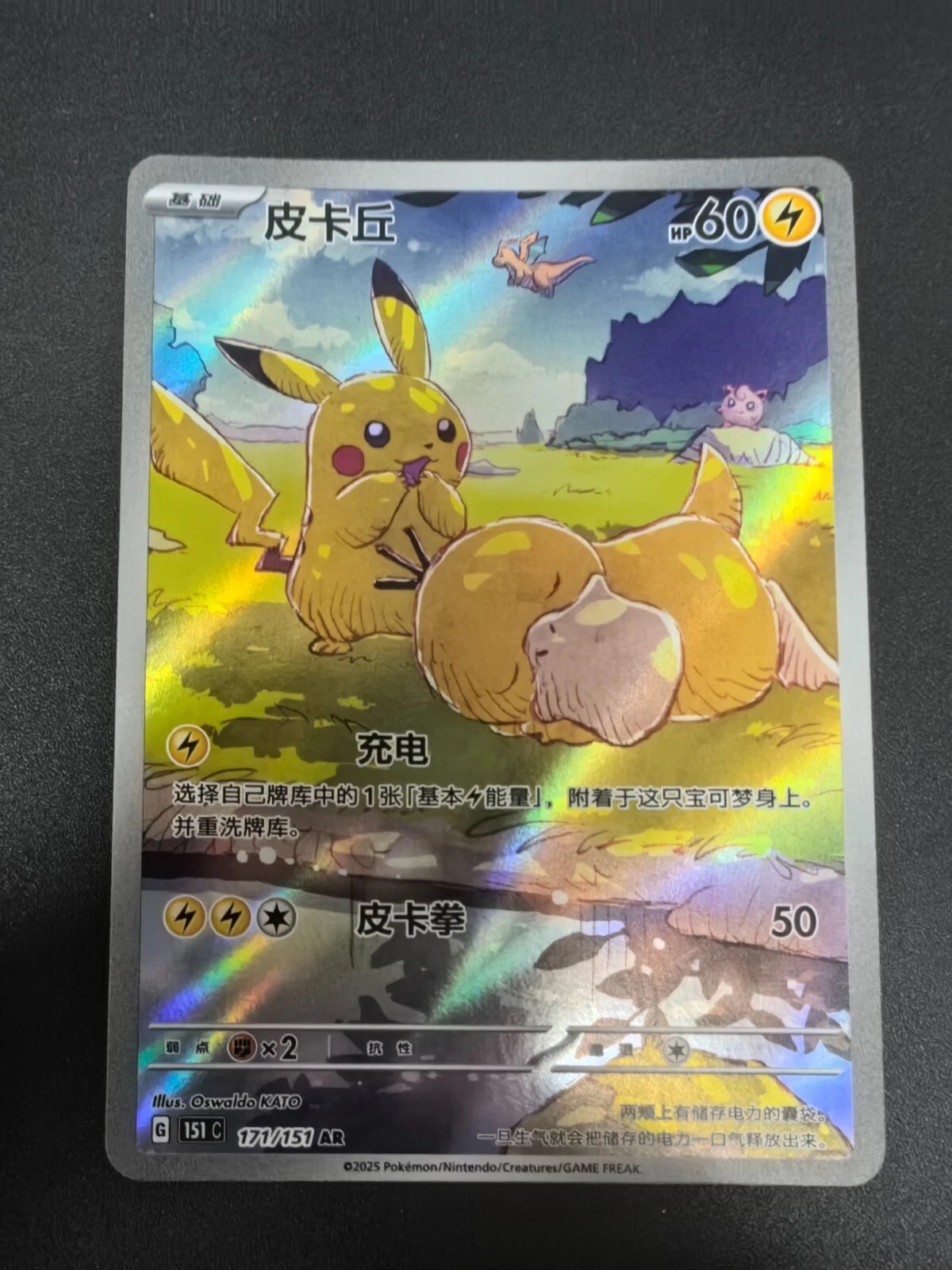
The version field matters when the artwork alone does not settle your choice. Pokémon's official announcement for 收集啦151 望 describes Poké Ball-pattern and Master Ball-pattern cards. If your goal includes those versions, identify the wanted pattern explicitly and verify which versions exist for the particular card. Do not assume that every card or every Chinese release uses the same finishes. [2]
Where a photograph does not show the pattern clearly, leave the version unresolved and ask for an angled image. A familiar Pokémon or matching artwork is a starting point for comparison, not the whole identification.
Check the binder before buying
Work through your reference list alongside the actual cards. Match each card to its row before marking it owned. Keep already purchased cards in a separate “bought but not received” state, so they stay visible without appearing on the next shopping list.
Before browsing singles, filter your own checklist for missing and verified entries. Then compare the listing's language, number and selected option with the row. If the listing offers several cards, the photograph of the group does not tell you which option you have selected. Check the option name and quantity before adding it to your request.
You can keep a card that fits your collection even if a more expensive version exists. Set your condition requirement for the way you will use the card, and ask for front and back photographs of the actual copy when condition affects your decision. Leave an unclear item pending rather than treating a listing title as the final answer.
Send a request the seller can match
A useful request is: “Simplified Chinese; [release/code]; [card number]; [name]; [finish]; one copy. Please confirm the exact option and show the front and back.” Replace the brackets with verified details from your list.
You can use that list while browsing our Chinese Pokémon singles. Our catalog is a listing snapshot. Selecting an item creates a quote request, and you decide whether to send the editable draft in WhatsApp; it does not place an order or reserve stock. Confirm availability, the final price, shipping and any applicable taxes before ordering. [6]
Once the card arrives, match it to the intended row and inspect it before marking the gap complete. Your checklist should show what is in your binder, what is on its way and what still needs a decision.